
Emergency Management: Broadcasters Association Tests Mobile TV
The Florida Association of Broadcasters is providing the state’s emergency management team with mobile TV devices as part of a pilot project to help ensure they have access to relevant information during this year’s hurricane season.
Heads up: this content is over 5 years old, so some information may be out of date.
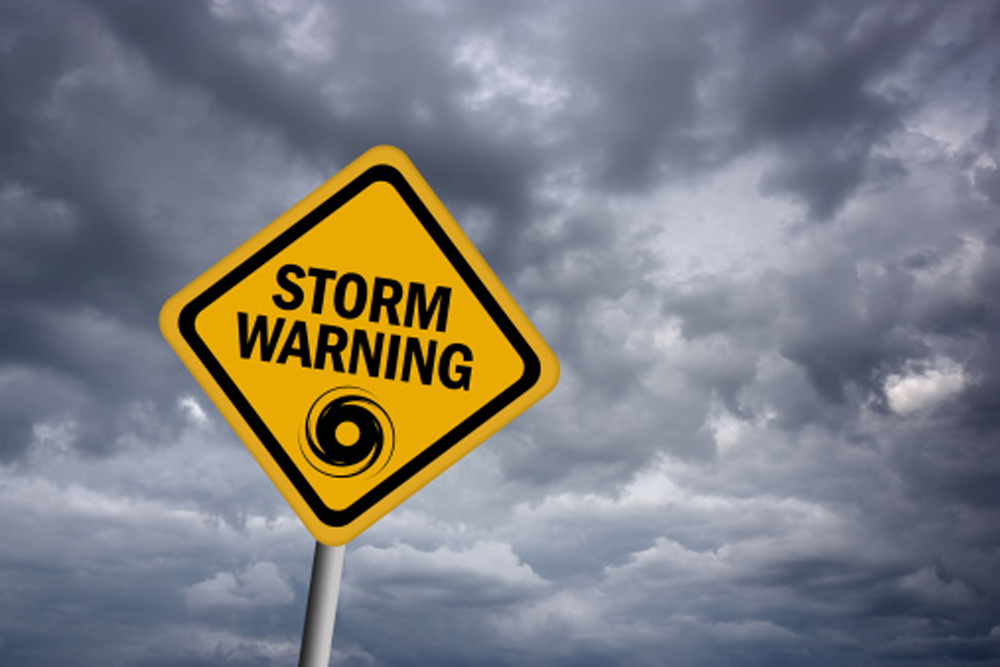
Hurricane season in the Atlantic region officially began June 1, and the Florida Association of Broadcasters is hoping mobile TV will help better prepare first responders during potential storm-related disasters.
In partnership with mobile TV provider Dyle, FAB will equip (opens in a new tab) the Florida Division of Emergency Management with roughly 100 mobile TV devices to help increase access to relevant and timely information.
Because of broadcasting’s robust ‘one-to-everyone’ transmission architecture, mobile TV is designed to deliver live and local news and information to mobile devices reliably and without interruption.
“Florida broadcasters have led the way in educating the public prior to a disaster and keeping them informed when an emergency occurs,” FAB President Pat Roberts said in a statement. “Mobile TV is the next step in providing valuable, local, and timely information to our citizens and visitors during a hurricane.”
Unlike cell phone networks and cable and internet connections, which can go do down or get over loaded, mobile TV—which can be accessed by attaching a small device, or dongle, to mobile gadgets—can offer a more reliable flow of service.
“Because of broadcasting’s robust ‘one-to-everyone’ transmission architecture, mobile TV is designed to deliver live and local news and information to mobile devices reliably and without interruption,” National Association of Broadcasters President and CEO Gordon Smith said in a statement.
The new pilot program is an extension of the role TV and radio broadcasters play as “first informers” during times of crisis, NAB added in the statement.
“The unfortunate reality is that during an emergency weather situation, local broadcasters are often the only reliable source of information,” Smith said. Just last week, the news team at a local NBC affiliate in Amarillo, Texas, kept delivering the news in the station’s bathroom (opens in a new tab) after taking cover during a tornado warning.
Not only is mobile TV assisting in emergency preparedness, but it’s also providing broadcasters with a new business opportunity in the battle against the “Zero-TV” trend. With fewer Americans buying traditional cable or even owning a TV, opting instead to watch TV and video on their computers and mobile devices, broadcasters are feeling the crunch to adapt.
“Getting broadcast programming on all the gizmos and gadgets—like tablets, the backseats of cars, and laptops—is hugely important,” Dennis Wharton, a spokesman for NAB, told The Associated Press earlier this year.

Comments
Comments are for ASAE members. Learn more about comments on this site.
Log in to your member account or join ASAE!