
World Health Day: How Associations Fought for Public Health During a Year of COVID-19
Associations stepped up to take on key public health roles during the pandemic, informing the public and supporting front-line workers during a difficult time.
Heads up: this content is over 5 years old, so some information may be out of date.

This year, World Health Day (opens in a new tab) feels like a bigger marker than it usually does. It’s a chance to recognize the role that the medical field played during the pandemic, helping to save lives and keep people safe during an immeasurably difficult year.
Associations in the medical and public health fields played a big part in that as well. Associations Now is reflecting on the ways medical and nonmedical associations have helped since lockdowns began in the U.S. in March 2020.
Taken as individual acts, these steps may seem modest. But together, they demonstrate the power of associations in an unprecedented crisis. Read our timeline below:
March 2020

(taikrixel/Getty Images Plus)
March 10: The American Health Care Association calls for steps (opens in a new tab) to limit the number of people entering nursing care facilities. “We believe providers must take dramatic action to limit individuals from entering our buildings and to ensure that employees who are sick stay home,” AHCA CEO Mark Parkinson said.
March 11: The World Health Organization formally declares (opens in a new tab) COVID-19 a pandemic.
March 16: The White House calls for the cancellation of gatherings (opens in a new tab) of more than 10 people, one day after the Centers for Disease Control and Prevention (CDC) recommends canceling events of 50 or more people. That same day, 29 patient organizations (opens in a new tab) call for legislation to protect those most vulnerable to COVID-19. These efforts help lead to the quick passage and signing of the Families First Coronavirus Response Act (opens in a new tab), which expands paid leave rights for employees, two days later.
March 23: Mental health organizations report an increase in demand (opens in a new tab) for services over the phone.
March 27: President Donald Trump signs the CARES Act (opens in a new tab), the first major COVID-19 stimulus package, into law.
April 2020
April 1: The National Association of Manufacturers and Business Roundtable work together to help make critical supplies available to medical facilities.

(Orbon Alija/E+/Getty Images Plus)
April 29: The Association of State and Territorial Health Officials and National Coalition of STD Directors offer training to public health agencies (opens in a new tab) to assist with contact tracing. “The key to reopening the economy is through a wide-scale contact tracing effort, the likes of which STD contact tracers are most familiar with,” said David C. Harvey, executive director for NCSD.
May 2020
May 4: The Advanced Medical Technology Association teams with the Aerospace Industries Association, a supply chain tracking firm, and Google to create VentConnect (opens in a new tab) (now called Med Device Network), an effort to increase ventilator production (opens in a new tab).

(Arkadiusz/iStock/Getty Images Plus)
May 12: The American Heart Association launches a data challenge (opens in a new tab) to better understand the ties between COVID-19 and other health conditions, as well as social health disparities. “Long before the pandemic, systemic challenges have contributed to disparities that impede some people from living long, healthy lives,” said AHA’s chief of data science, Jennifer Hall, Ph.D. “COVID-19 has further exacerbated this issue.” The association would later release research (opens in a new tab) finding that heart issues are a common factor in severe COVID-19 cases.
May 12: The American Association of Critical-Care Nurses launches (opens in a new tab) “Dear World (opens in a new tab),” a documentary photo series highlighting front-line nurses.
May 14: The American Medical Association warns (opens in a new tab) that antibodies should not be mistaken for immunity.
May 29: The World Health Organization releases updated guidelines (opens in a new tab) for mass gatherings.
June 2020
June 18: The American Psychological Association releases data on stress levels (opens in a new tab) during the pandemic, with 83 percent of respondents citing the state of the country as a significant source of stress. The data comes amid widespread protests against police violence in the days after the death of George Floyd.

(PeopleImages/E+/Getty Images Plus)
June 24: The Healthcare Manufacturers Management Council launches a website (opens in a new tab) facilitating the sale and exchange (opens in a new tab) of COVID-19-related products for healthcare providers, first responders, and government agencies.
June 26: The American Academy of Pediatrics releases guidance for school reopening (opens in a new tab) that encourages schools to set a goal “of having students physically present in school.”
July 2020
July 20: The American College of Physicians collaborates with Project N95 (opens in a new tab) to ensure that smaller medical facilities are not left out of the supply chain for personal protective equipment.

(Aja Koska/E+/Getty Images Plus)
July 22: The American Lung Association launches the “Buy 2, Give 2 Masks” campaign (opens in a new tab) to donate additional masks when members of the public buy face coverings from ALA.
August 2020
August 5: The National Institutes of Health collaborates with a variety of associations (opens in a new tab) on a medical imaging initiative to use artificial intelligence to better detect COVID-19 symptoms.

(Xesai/iStock/Getty Images Plus)
August 10: With the help of nearly $8 million from a medical technology firm, the National Association of Community Health Centers launches an initiative (opens in a new tab) to expand community health centers in the U.S.
August 17: The Texas Medical Association creates a decision tree (opens in a new tab) [PDF] to help school nurses understand how to proceed when a student shows possible signs of COVID-19.
August 24: The California Hospital Association (opens in a new tab) creates a commercial-driven campaign (opens in a new tab) to encourage patients to go to the hospital for needed medical care.
September 2020
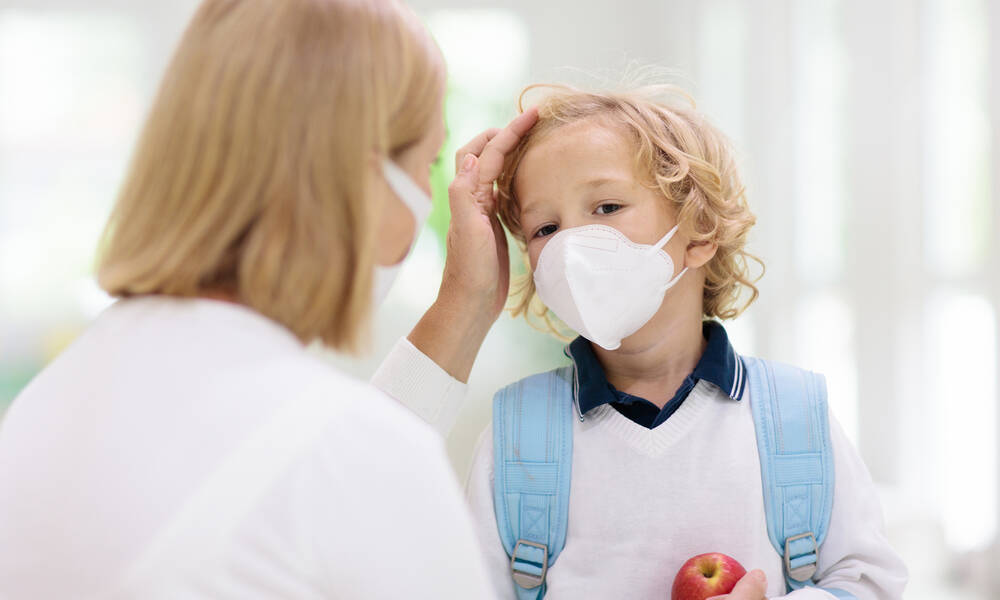
September 2: Trust for America’s Health, working with the CDC Foundation and a number of associations, launches (opens in a new tab) the Public Health Communications Collaborative (opens in a new tab) to help promote the value of public health both to individuals and to the U.S. economy.
(FamVeld/iStock/Getty Images Plus)
September 10: The American Academy of Allergy, Asthma & Immunology and the National Association of School Nurses release guidance (opens in a new tab) on how to manage food allergies in schools during the COVID-19 crisis.
October 2020
October 14: The Emergency Nurses Association releases In Case of Emergency (opens in a new tab), a documentary on the important work that nurses do in emergency rooms. The film was partially reshot to account for the COVID-19 crisis.

(undefined undefined/iStock/Getty Images Plus)
October 20: A coalition of healthcare and public health associations, led by the Association of State and Territorial Health Officials and the American Pharmacists Association, form the National Associations’ COVID Vaccine Leadership Council (opens in a new tab) to support a vaccine distribution plan.
October 28: The CDC, in collaboration with a number of medical associations, launches Project Firstline (opens in a new tab), a training collaborative to help teach medical workers about infection control practices for responding to COVID-19.
November 2020
(kovop58/iStock/Getty Images Plus)
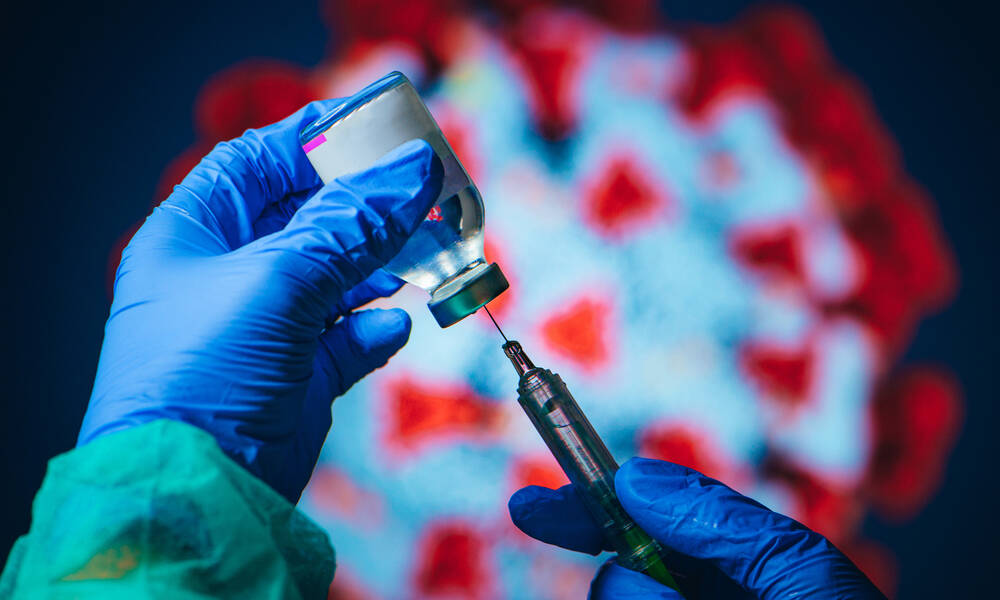
November 17: The American Medical Association’s House of Delegates adopts a policy (opens in a new tab) that aims to encourage physicians to educate the public about the safety and efficacy of COVID-19 vaccine programs. “It is essential that we speak together as a strong unified voice across healthcare and public health, inclusive of organizations respected in communities of color, to use scientific, fact-based evidence to help allay public concerns and build confidence in COVID-19 vaccine candidates that are determined to be safe and effective,” AMA President Susan R. Bailey said.
December 2020
December 1: In an “open letter to the American people (opens in a new tab),” the American Medical Association, the American Hospital Association, and the American Nurses Association affirmed they would research and confirm a vaccination research and administration process. “Vaccines have eradicated smallpox, nearly eliminated chickenpox and polio, and minimized the impact of countless other diseases,” the letter stated.
December 8: A British woman becomes the first person (opens in a new tab) to receive a COVID-19 vaccine outside of a clinical trial.

(designer491/iStock/Getty Images Plus)
December 16: In response to the pandemic, a coalition of 14 mental health associations join forces to advocate for relief and to encourage systemic change to the mental health system.
December 27: Outgoing President Donald Trump signs (opens in a new tab) the second pandemic relief bill, which found broad support among associations.
January 2021
January 13: The National Association of Chain Drug Stores announces a plan to ramp up vaccine distribution using its members’ vast network of distribution points—a network that is put into use just weeks later.
January 27: The National Association of Manufacturers, playing a rare public health advocacy role, makes the case for widespread vaccination in an ad campaign.
February 2021
February 2: The American Telemedicine Association launches the Telehealth Equity Coalition to improve access to telehealth resources around the country through data research. The initiative comes at a time when telehealth is becoming an important alternative for many patients.

(Bim/iStock/Getty Images Plus)
February 26: A coalition of trucking industry groups makes the case to the CDC that truck stops should be used as vaccine distribution points.
March 2021
March 11: President Joe Biden signs (opens in a new tab) the third stimulus bill, the American Rescue Plan, and calls for states (opens in a new tab) to make all U.S. adults eligible to receive a vaccine by May 1.
(LightFieldStudios/iStock/Getty Images Plus)

Comments
Comments are for ASAE members. Learn more about comments on this site.
Log in to your member account or join ASAE!