
Three Takeaways From #ASAE26
Technology was high on the agenda in Indianapolis. But speakers also stressed the importance of trust and connection.
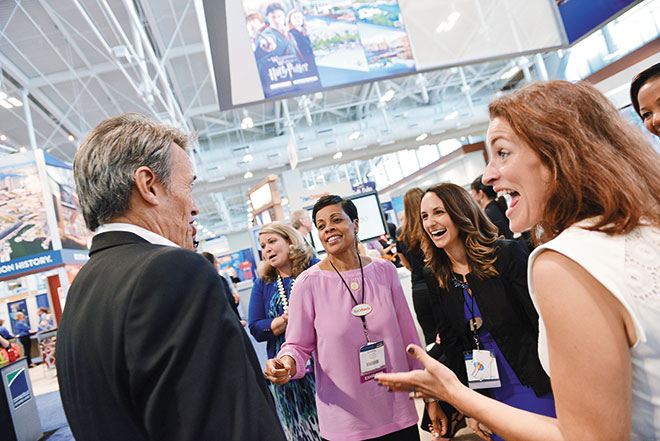
The ASAE Annual Meeting & Exposition was, as ever, an opportunity to be inspired by the work that associations are doing. It was also a reality check about the messy reality of getting things done in complicated times.
Alas, no, a vibe-coded widget isn’t going to solve your most urgent problems. There’s no sense that the economic challenges and political divides will resolve anytime soon. And there’s still no magic trick to help a CEO get a difficult board unstuck.
But in some ways, this predicament offers at a measure of reassurance: Human connections still matter, and well-prepared, well-led people can still do impressive things. It may not lead to bipartisan legislative breakthroughs like the kind TV commentator and prison-reform advocate Van Jones shared during his closing keynote. But good things can still get done. Here are a few of my takeaways on that front.
You Need a Map, No Matter What. At a session titled “Escape AI Paralysis,” Accella’s Jason King and the Northern Virginia Association of Realtors’ Leo Mofununya, CAE, debunked the most common current approach to AI piloting at associations: fiddle around with a tool you heard about, gin up some kind of use case, watch it disappoint, give up. Instead, look for where the gaps are in your member journey—are they accessing relevant information quickly enough? Do they know where to go for support?—and design tools that serve to fill those gaps.
That’s not just an AI task—a considered approach is essential in every effort an association makes to break away from the norm. During her keynote, Harvard Business School professor Amy C. Edmondson implored attendees to approach problems like a scientist—testing their hypotheses and premises before sensibly testing out meaningful pilots, and paying close attention to what hasn’t worked on the way to what does.
Strategic abandonment is a fiduciary duty.
Lowell Aplebaum, FASAE, CAE
Relationships Still Matter. During a number of CEO sessions put together by the Association Governance Institute, the focus was on the gray areas in the board-CEO relationship. Is the CEO empowered to make six-figure budget adjustments without board approval for the perceived good of the future organization? Who steps in when a relationship with a board member becomes toxic?
That also means developing a comfort level with difficult conversations when they come up. At the NextGen Talk “Strategic Planning in Action,” Vista Cova CEO Lowell Aplebaum, FASAE, CAE, encouraged young committee members to value their time and be willing to scale back initiatives that aren’t working. “Strategic abandonment is a fiduciary duty,” he said. “If your leadership wants you to do innovative, amazing things, then part of your responsibility is to ensure that you have the capacity to do those things.”
Trust Is the Watchword. ASAE is leaning in on an initiative called Trust Associations, which is designed to emphasize the role of associations as reliable resources at a time when trust in institutions has frayed. At his Catalyst session, executive coach Justin Patton emphasized the ways leaders develop trust—or, more to the point, lose it. People’s greatest fear, he noted, is being alone, so undermanagement–-a failure to connect and communicate—can stoke the idea that a staffer or member isn’t being cared for.
Undermanagement, Patton writes in his book Managers Who Build Trust, means “failing to provide the necessary clarity and support for team members to succeed in their roles.” It’s also the opposite of the work of an association. Whatever the technology, connection and communication remains the industry’s coin of the realm.

Mark Athitakis, a contributing editor for Associations Now, has written on nonprofits, the arts, and leadership for a variety of publications. He is a coauthor of The Dumbest Moments in Business History and hopes you never qualify for the sequel. MORE
Got an article tip for us? Contact us and let us know!



Comments