
Article Meetings / Events 3 min read
Report: Exhibitors Need to Step Up Interactivity
A survey from Freeman found that attendees are looking for demos tailored to their needs, but the old-school booth remains the standard.
Heads up: this content is over 1 year old, so some information may be out of date.
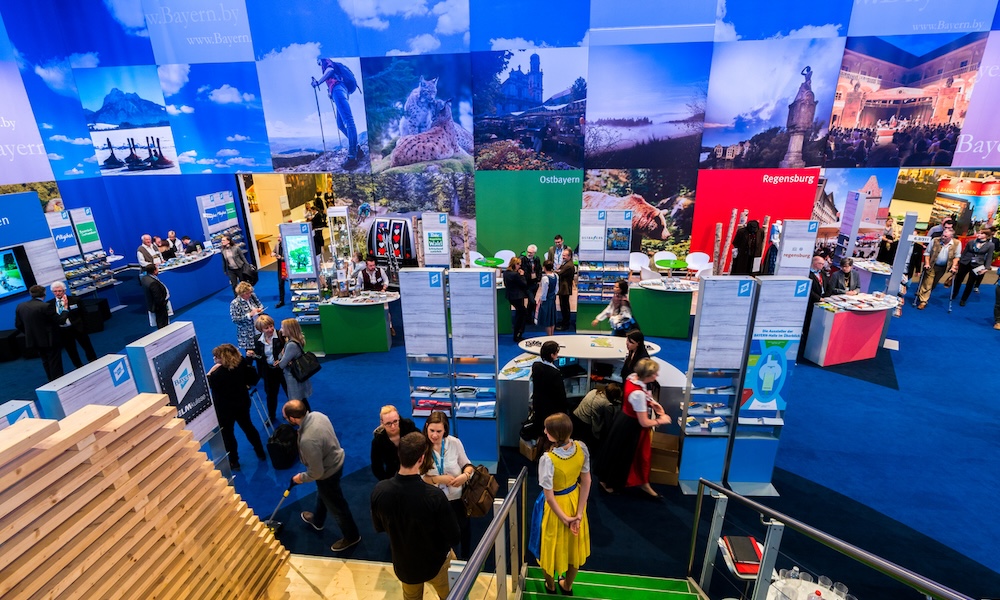
Conference attendees are seeking more personalized and hands-on experiences when visiting tradeshow booths, according to a new report.
Unpacking XLNC: The Future of Commerce for Trade Shows and Conferences (opens in a new tab), a report released in late April by the events production firm Freeman, is based on a survey of approximately 1,000 conference and tradeshow attendees and approximately 1,000 exhibitors. The report found that a strong majority of attendees—58 percent—attend tradeshows to “discover new products/solutions,” and 74 percent of attendees say that in-person events are the best way to learn about those products.
But the report found that booths at tradeshows are largely falling short of meeting attendees’ needs: 24 percent said they didn’t have an opportunity for hands-on interaction with products at an event.
There’s a cheesy but memorable line: If you can do it on Zoom, don’t do it in the room.
Freeman SVP of Strategy Ken Holsinger
Freeman SVP of Strategy Ken Holsinger said exhibitors need to move beyond the traditional group demos and badge scans to create more meaningful experiences for attendees walking the tradeshow floor.
“Attendees on the show floor are effectively saying, ‘I’m here because I can’t do this online,’” he said. “I’m here because I want to experience it for myself.’ There’s a cheesy but memorable line: If you can do it on Zoom, don’t do it in the room. We need to optimize events, conferences, product testing environments, and demonstration environments that can’t happen in a digital interface.”
To that end, the report also highlighted the importance of having subject-matter experts available on-site: 51 percent of attendees said access to an SME improved their “purchase decision certainty.” But exhibitors haven’t yet made the shift. As the report puts it: “More than half of attendees say that speaking with subject matter experts would improve their booth interactions—yet only 26% of exhibitors see it the same way.”
Holsinger said that vendors can do more to collect information about attendee needs before an event to make sure that they have the right expertise on-site—so long as the vendor is collecting information in good faith.
“Attendees tell us that they’ll share data with us in advance if there’s benefit and value to them,” he said. “Nobody wants to go through 14 pages of a reg site to understand that somebody’s just scraping my data. What they want to see is that if I told you that I’m looking for XYZ, or I want to meet with someone, or I have a certain type of product, or this is who my business is, that the communications and response, both from the organizer and from any vendors at the event, have some level of at least persona-based response, if not personal.”
Event planners have a role to play here as well, according to the report. Changing engagement preferences may require new booth models, but a third of exhibitors (32 percent) say event organizers “have rules / regulations in place that prevent my organization from achieving its commercial objectives.”
In the meantime, Holsinger said, vendors should communicate more about their needs, and create a more dynamic booth environment.
“If you’re building a physical version of a website, you’re doing it wrong,” he said. “I’m here. I’m in person. Show me the product. I want to trust it, and I want to talk to somebody who can demonstrate it for me.”
[istock/holgs]

Comments
Comments are for ASAE members. Learn more about comments on this site.
Log in to your member account or join ASAE!