
Canadian Wireless Telecommunications Association Fights Mobile Theft
The Canadian Wireless Telecommunications Association is working to implement a database similar to one created by a U.S. association.
Heads up: this content is over 5 years old, so some information may be out of date.
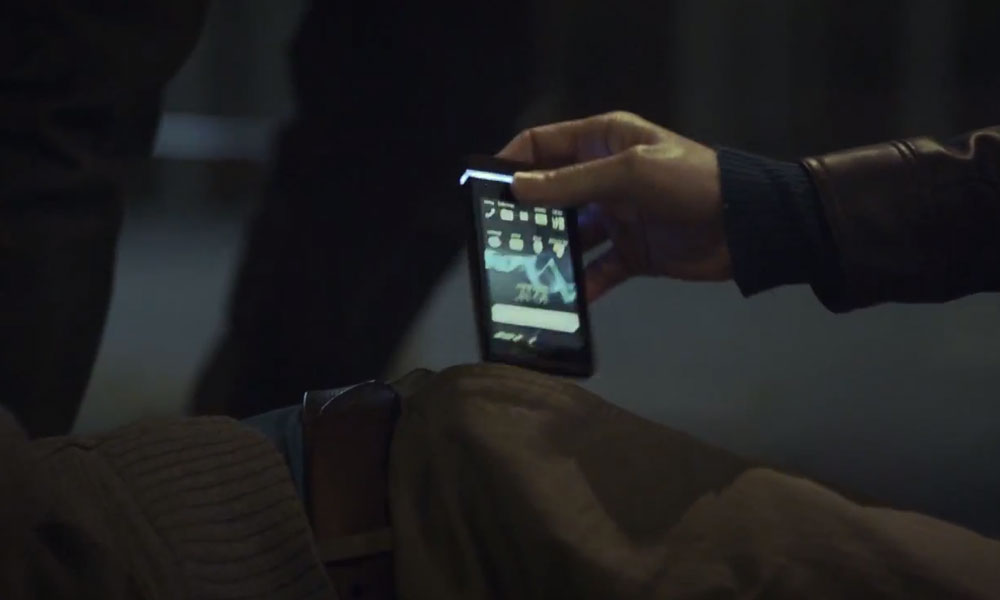
With smartphones constantly the target for theft, associations are considering options for improving data security. And one Canadian association is working to create a deterrent for theft.
Customers across North America will benefit from this added level of protection.
The Canadian Wireless Telecommunications Association (CWTA) is currently developing a blacklist system that would block service to phones reported as stolen.
“After comprehensive study, Canada’s wireless industry today is announcing what it believes is the best solution to help keep Canadians safe from cellphone theft,” CWTA’s president and CEO, Bernard Lord, said in a press release. “And with U.S. wireless carriers following Canada’s planned implementation by completing similar international database measures by November 2013, customers across North America will benefit from this added level of protection.”
The association recommends that in cases of theft consumers get in touch with their phone companies and local police, which would allow the companies to add the devices to the blacklist.
The group has also launched a website for the campaign (opens in a new tab), along with this advertisement:
The CWTA joins CTIA-The Wireless Association on this measure. That U.S. group announced late last month (opens in a new tab) [PDF] that a number of wireless carriers — including big four carriers Verizon, AT&T, Sprint, and T-Mobile — have taken part in implementing a database that would deter smartphone theft.
As we noted in an article last month (opens in a new tab), Sen. Charles Schumer (D-NY) is also working on this issue. He introduced the Mobile Device Theft Deterrence Act, which would deal with the issue in a similar way and create a national phone registry. CTIA-The Wireless Association supports Schumer’s measure.
In both cases, the industry’s efforts to self-regulate around a serious real-world issue could have a strong positive impact for both consumers and the industry.
What sort of opportunities have you seen for such self-regulation in your field? Let us know in the comments.
(Canadian Wireless Telecommunications Association)

Comments
Comments are for ASAE members. Learn more about comments on this site.
Log in to your member account or join ASAE!