
 Sponsored By Destination Canada
Canada’s Ocean Expertise Is Powering the Next Wave of Offshore Wind
Nova Scotia’s offshore wind ambitions are building on decades of marine expertise and a tightly connected ocean technology ecosystem in Halifax. For associations focused on energy and climate innovation, meeting in Canada offers direct access to the researchers, developers, and policymakers shaping the future of offshore wind.
Canada’s Atlantic coast holds some of the strongest offshore wind potential in the world. For years, abundant hydropower and onshore wind supplied much of the country’s electricity. Now, shifting global energy demands, electrification, and energy security are accelerating offshore wind development, positioning Nova Scotia at the forefront of Canada’s clean energy transition.
Building Offshore Wind from Ocean Strength
Nova Scotia offers what developers need: strong and consistent wind speeds, shallow offshore seabeds well suited to turbine foundations, and a highly developed marine economy. Updated legislation now incorporates renewables into offshore regulation, providing greater clarity.
Nova Scotia plans to licence five gigawatts of offshore wind by 2030—roughly twice its current electricity demand. Longer-term studies suggest its waters could support around 60 gigawatts, enough to meet around a quarter of Canada’s current electricity demand.
“With the strongest wind speeds, the highest tides, Nova Scotia is uniquely suitable for testing offshore technology,” said Nova Scotia Premier Tim Houston.
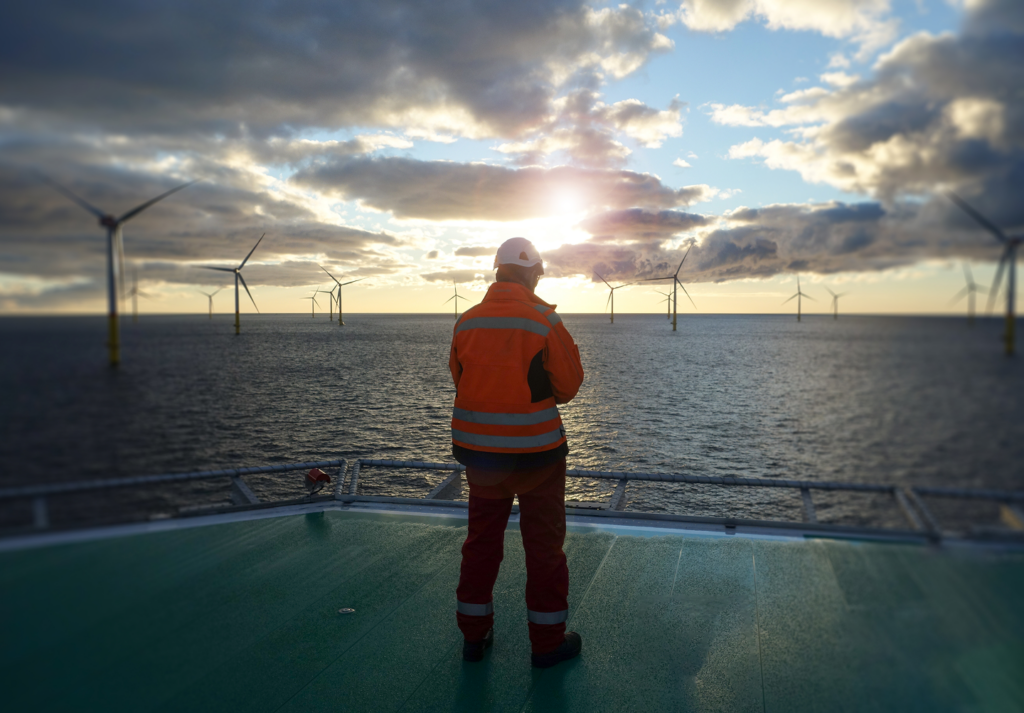
Photo credit: Charlie Chesvick
Halifax: A hub for Ocean Innovation
Halifax plays a central role in this emerging industry.
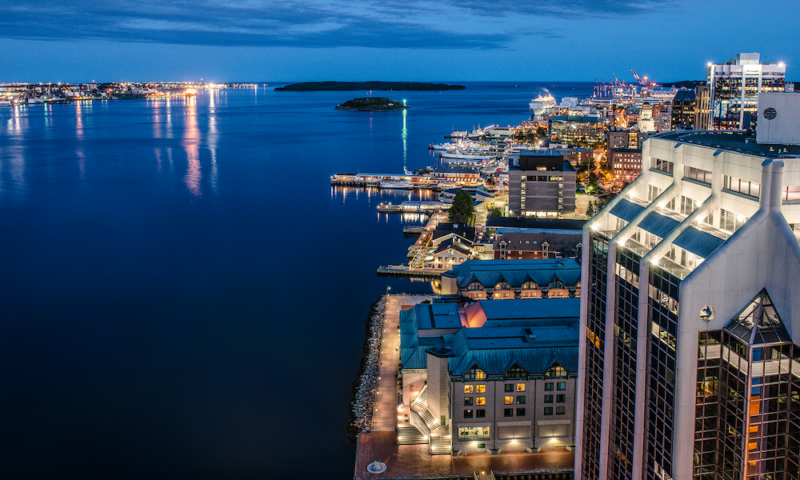
The city’s deep natural harbour anchors one of North America’s most concentrated clusters of ocean technology companies, researchers, and subsea engineers. Marine science, offshore engineering, and advanced ocean technology have long shaped Halifax’s economy, creating a foundation for offshore wind development.
That expertise attracts global collaboration. Halifax regularly hosts high-impact scientific summits and offshore energy forums—including the H2O Home to Overseas Conference—which bring together researchers, developers, and policymakers.
These events often accelerate partnerships and regulatory alignment that can move projects forward faster.
Innovative Engineering for Harsh Waters
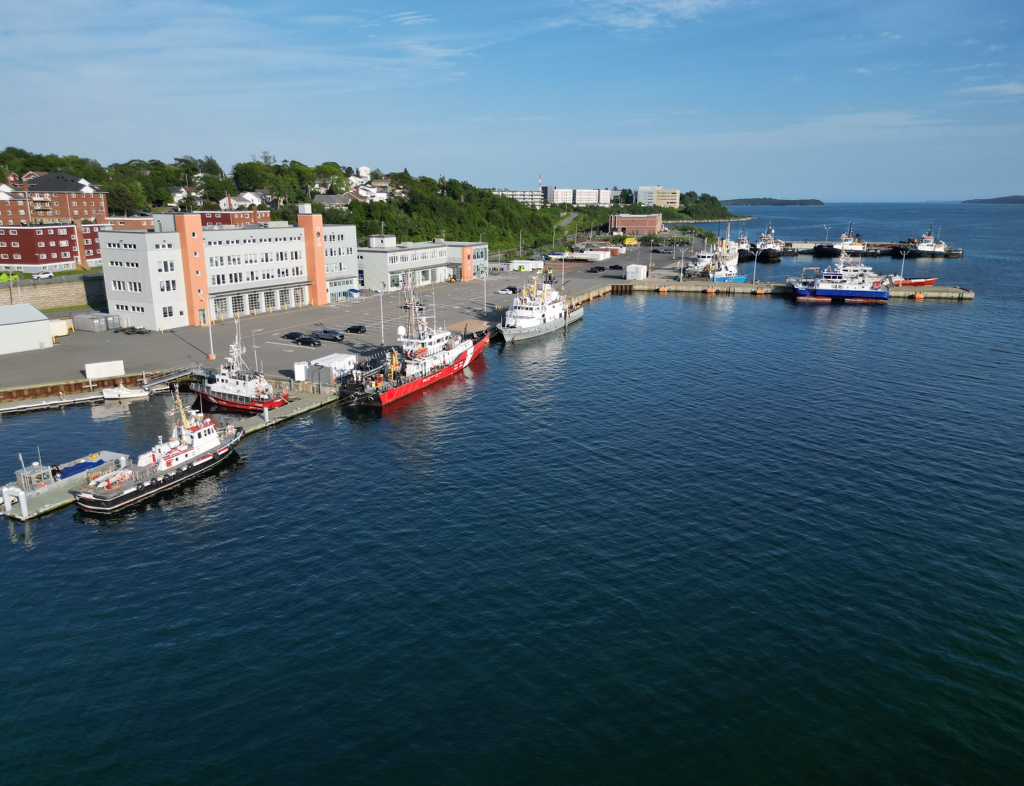
At the centre of Halifax’s ocean technology ecosystem is the Centre for Ocean Ventures and Entrepreneurship (COVE).
Located on a former Canadian Coast Guard base, COVE now operates as a startup hub and testing ground for robotics, sensors, autonomous vessels, and subsea monitoring systems.
“We’re next to strong universities, government labs, and industry, and we work directly on the North Atlantic,” said Melanie Nadeau, CEO of COVE. “Companies here develop capabilities for some of the harshest conditions in the world.”
Those capabilities are critical for offshore wind development. Maintaining turbines and infrastructure in remote waters requires advanced monitoring systems, AI-driven maintenance, and reliable ocean data.
“There are going to be niches where Canada will excel,” said Nadeau. “Metocean data is a great one. Sensors, robotics, and AI for domain awareness are others.”
A Supply Chain Ready to Scale
Nova Scotia’s existing marine industries provide a strong foundation for offshore wind.
Marine Renewables Canada, a national industry association, recently surveyed more than 1,000 Atlantic Canadian companies. About 600 were identified as having moderate to high relevance to offshore wind development.
Many already specialize in offshore energy, shipbuilding, subsea inspection, defence technologies, and remote operations—skills that can transfer quickly to renewable energy projects.
International partnerships are also strengthening the sector. COVE recently signed a collaboration agreement with the United Kingdom’s ORE Catapult, one of the world’s leading offshore renewables research centres, to expand research and innovation ties.
In a capital-intensive industry built on trust and timing, events and technical forums help align developers, suppliers, and regulators—shortening the path from concept to construction.
“Having this expertise means that we have the talent needed to navigate environmental approvals and technical requirements to get these projects built and operational,” said Houston.
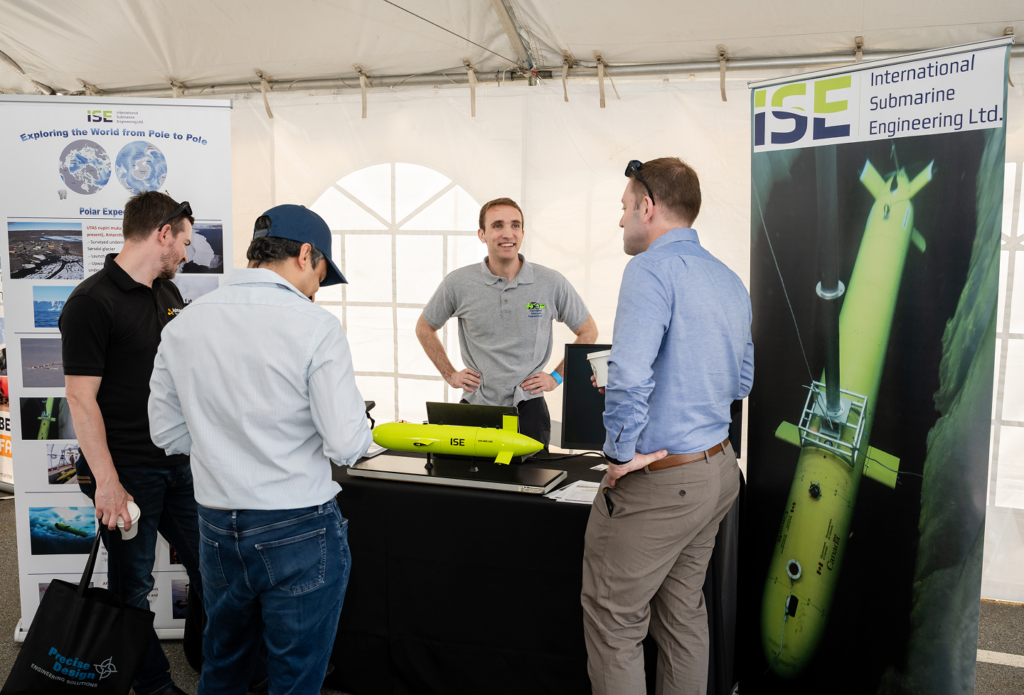
Photo credit: Michelle Doucette
Powering Markets Beyond Nova Scotia
Nova Scotia’s offshore wind ambitions extend beyond the province itself.
While the province’s energy demand peaks at around two gigawatts, a five-gigawatt offshore wind program would generate far more electricity than local markets require. That surplus could eventually be exported to neighbouring provinces or the northeastern United States.
“Developers will likely bid in 2026 because the resource is so attractive,” said Elisa Obermann, executive director of Marine Renewables Canada. “But major investment won’t flow until there’s certainty about where the electricity will go.”
Global demand for reliable low-carbon electricity continues to grow as data centres, heavy industry, and hydrogen production scale up.
For Wendy Luther, president and CEO of the Halifax Partnership, offshore wind represents a long-term competitive advantage.
“Businesses locate where they can access clean, reliable power. Offshore wind is energy security and productivity.”
Learn More
For associations, meeting in Canada is more than a moment. It’s an opportunity to connect delegates with the leaders driving the energy transition—and leave a lasting positive legacy.
To learn more about hosting meetings in Canada, visit the Destination Canada website.