
 Sponsored By BestCities
Designing for Everyone: A Blueprint for Inclusive Events
Small, intentional choices are what make an event feel welcoming to everyone—and those choices can vary widely depending on where you are in the world.
Inclusive events have come a long way over the past decade. The introduction of the UN Sustainable Development Goals (SDGs) in 2015 accelerated a paradigm shift that was already underway, moving diversity, equity, and inclusion from “nice to have” to an essential part of event design.
Today, inclusion plays a critical role in determining whether an event feels welcoming, relevant, and accessible. For international events—where each attendee arrives with different cultural norms, languages, access needs, and levels of comfort with self-advocacy—this becomes even more important.
The good news is that creating a more inclusive event doesn’t require a big budget or complicated planning. Often, small changes can have a noticeable impact.
Across the meetings industry, destinations are finding practical ways to embed inclusion into the attendee experience. Examples can be found within the BestCities Global Alliance, a network of 14 meetings destinations across North America, Europe, Africa, Asia, the Middle East, and Oceania. While each member city is distinct, they share a common belief: Inclusion must be designed, not assumed.

Global Goals, Local Realities
One of the biggest challenges for international event organizers is that inclusion doesn’t mean the same thing everywhere.
In one destination, inclusion might start with Indigenous recognition and engagement. In another, it could involve religious observances, language confidence, or cultural expectations around participation. A global inclusion strategy can’t just be copied and pasted from one city to the next.
In Melbourne and Vancouver, for example, inclusive event design can involve acknowledging that events take place on First Nations land. Engagement with Indigenous communities, Welcome to Country protocols, and land acknowledgments contribute to events that respect local history, culture, and community.
In Singapore, inclusion can begin well before registration opens. Scheduling a conference during a major religious or cultural observance can unintentionally limit participation. In this context, thoughtful calendar planning becomes an inclusion strategy.
Meanwhile, in Berlin, inclusion is often considered throughout the event lifecycle, including venue selection, mobility planning, supplier choices, and program design.
These examples provide an important reality check: While the goal of inclusion might be universal, the way it shows up in practice is often very much local.
Beyond Compliance
Another common misconception is that compliance automatically equals inclusion. But this isn’t always the case.
For example, in the United States, compliance with the Americans with Disabilities Act (ADA) is essential, but it doesn’t guarantee an inclusive experience. A venue can meet legal requirements while still overlooking factors such as neurodiversity, economic accessibility, or psychological safety.
Another example is Tokyo, which is recognized for its extensive accessible infrastructure, including tactile paving and elevators at most transit systems. Yet these features only benefit attendees if organizers actively plan how delegates will navigate the city, move between venues, and access event experiences.
Similarly, cities such as Copenhagen are known for their strong social welfare systems and accessibility standards. However, inclusive events require planners to identify these elements and make intentional choices around communication, participation, and networking.
Inclusion at Every Touch Point
Representation matters, but it’s only one piece of the puzzle.
A diverse speaker lineup can’t compensate for a networking reception designed only for extroverts or a venue that overwhelms attendees with noise, lighting, or confusing wayfinding.
Inclusive design considers the entire attendee journey.
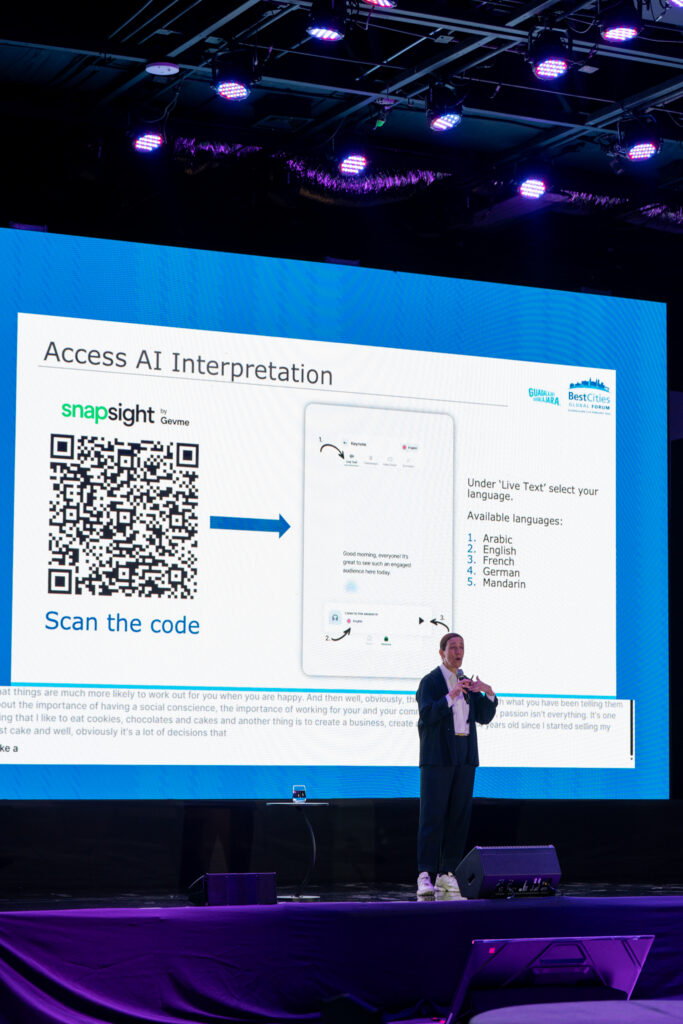
At registration, that may mean asking for pronouns, accessibility requirements, and dietary needs as standard practice while clearly explaining how the information will be used. It can also include accessible websites, plain-language communications, multilingual information where appropriate, and detailed pre-event guidance.
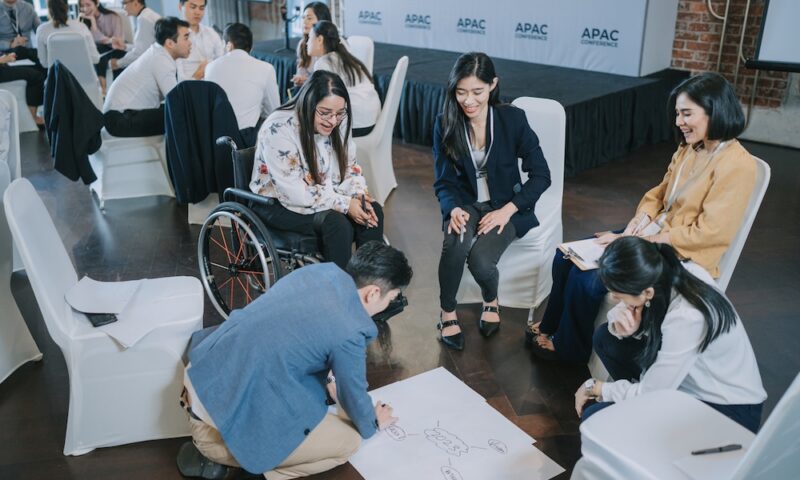
Within programming, inclusion means offering a variety of keynotes, workshops, facilitated discussions, and hybrid participation options that invite attendees to engage in multiple ways. Captioning, sign language interpretation, readable slide design, and different ways to ask questions can also make participation more accessible.
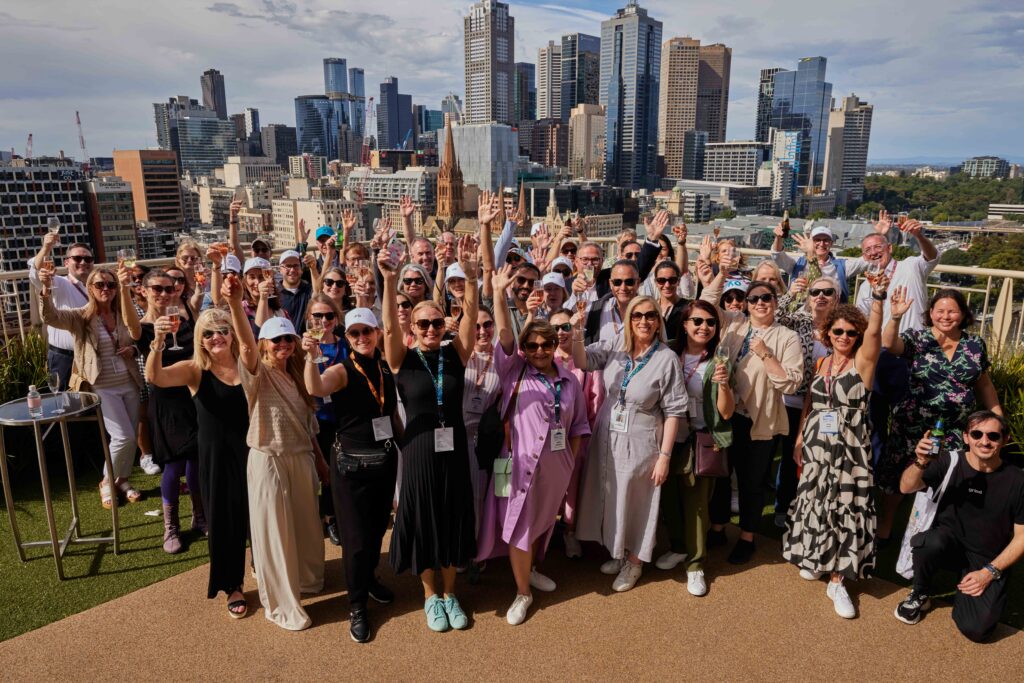
Social events deserve the same level of thought. Not everyone networks in the same way. Inclusive events offer choices: alcohol-free options, quieter gathering spaces, cultural experiences, and catering that reflects a range of preferences.
Partnering for More Inclusive Events
One of the clearest lessons from the business events industry is that convention bureaus and local partners should be involved early in the planning process. They can help translate broad inclusion goals into practical, locally relevant actions and identify opportunities organizers might not have considered.
Ultimately, inclusive design strengthens attendance, engagement, and reputation. When delegates feel seen and supported, they are more likely to participate fully, recommend the event to others, and return in the future.
If we want events to bring people together in meaningful ways, we need to stop expecting attendees to adapt to the experience and instead design experiences that work for a broader range of people.
If you are coming to the ASAE Annual Meeting & Exposition, please join us for a live discussion on this topic on Sunday, August 16 from 12-12:45 p.m. in the Global Lounge. See you there!